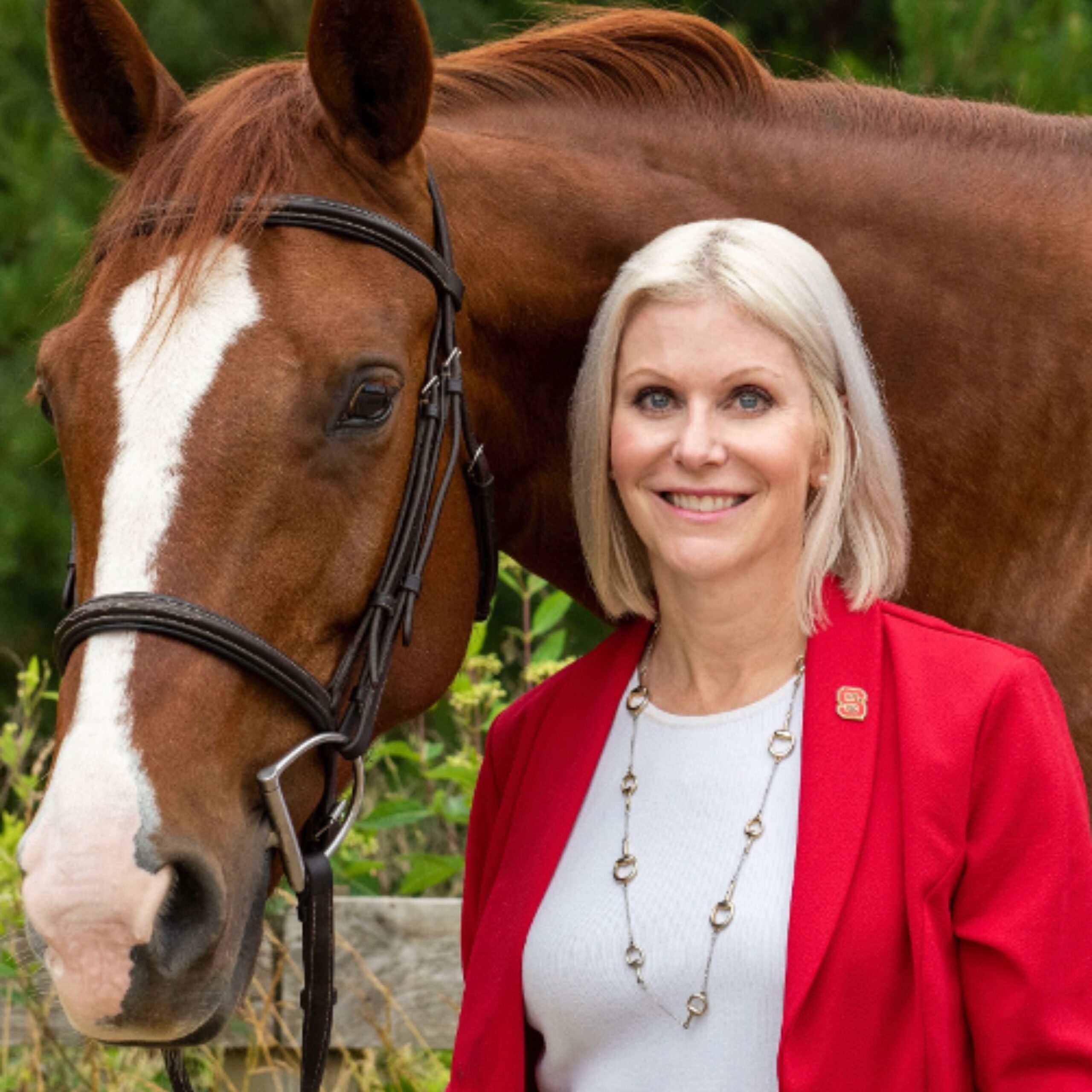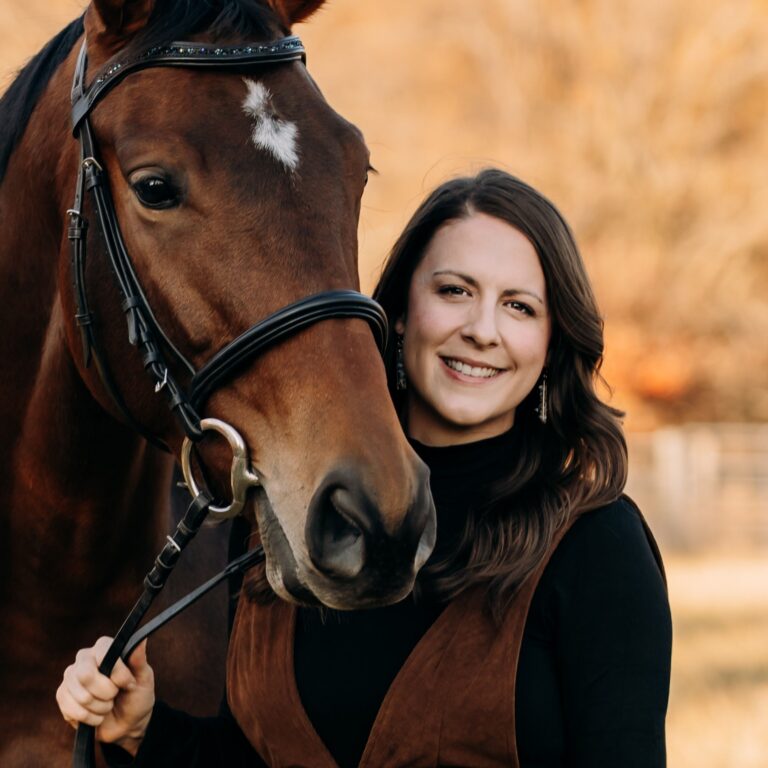
Welcome to the debut episode of Feeding Horses with host Stephanie Ruff.
In this episode, Dr. Kelly Vineyard of EquiVine PhD Nutrition shares expert insights on springtime horse nutrition, pasture management, and addressing common concerns like metabolic health and pasture toxicity. Learn practical tips to ensure your horse’s health and well-being as the seasons change.
At the end of the podcast is the new segment called Viral Ideas, Real Horses. If you’ve ever seen a horse nutrition tip online and thought, ‘That sounds interesting… but is it true?’ you’re not alone. In Viral Ideas, Real Horses, we break down trending nutrition topics and look at how they hold up for real horses in real barns.
Watch Feeding Horses on YouTube or listen wherever you get your podcasts. Follow us below…
Disclaimer: The information provided in this podcast is intended for educational and informational purposes only. It is not intended to replace professional veterinary advice, diagnosis, or treatment. The hosts and guests may discuss general nutrition concepts, research, and personal experiences, but these discussions should not be interpreted as specific recommendations for individual horses.
The creators of this podcast make no guarantees regarding the accuracy, completeness, or applicability of the information discussed and assume no responsibility for actions taken based on the content of this podcast. Listeners are encouraged to seek professional guidance before making changes to their horse’s diet, supplements, or healthcare program.
Feeding Horses – Season 1, Episode 1 Guests and Links:
Guest: Dr. Kelly Vineyard of EquiVine PhD Nutrition
Connect with Host: Stephanie Ruff of TheHorse.com | Email the Show at editorial@thehorse.com | Follow Feeding Horses:
- Facebook – @TheHorse
- Instagram – @TheHorseMag
- YouTube – @TheHorse
- TikTok – @thehorsemag
- X – @TheHorse
- Pintrest – @TheHorseMag